Skip to content

About Us

A humanitarian and health-focused initiative committed to improving the lives of vulnerable and underserved individuals and communities.

PHCI exists to improve the lives of vulnerable and underserved individuals and communities through accessible healthcare, humanitarian assistance, community development, empowerment and strategic partnerships.

Our Vision

To build a society where every individual, regardless of their social or economic circumstances, has access to essential healthcare, humanitarian assistance, dignity and opportunities to live a healthier and better life.

Our Mission

To improve the lives of vulnerable and underserved individuals and communities through accessible healthcare, humanitarian assistance, emergency relief, community development, empowerment and strategic partnerships.

Our Core Values

The principles behind every programme we deliver.

CompassionHuman dignity and the wellbeing of people sit at the heart of our work.
IntegrityWe operate honestly, transparently and responsibly.
AccountabilityWe accept responsibility for the resources entrusted to us and the impact of our programmes.
EquityVulnerable and underserved people must not be left behind.
ProfessionalismHigh standards in programme implementation, financial management and partnerships.
Respect for Human DignityEvery beneficiary deserves respect, regardless of background, status, gender, age or circumstance.
CollaborationLasting solutions are achieved through strong partnerships.
SustainabilityWe seek lasting improvements rather than temporary relief alone.
Strategic Objectives

What PHCI sets out to achieve.

Our objectives guide programme selection, partnership decisions and how we report on impact.
  1. 1Improve access to basic and essential healthcare services for underserved and vulnerable communities.
  2. 2Organise free and subsidised medical outreaches, health screenings, health education and preventive healthcare programmes.
  3. 3Support maternal, newborn and child health through education, awareness, referral and community-based interventions.
  4. 4Provide humanitarian assistance to people affected by poverty, displacement, disasters and emergencies.
  5. 5Promote disease prevention, hygiene, sanitation, nutrition and healthy living within communities.
  6. 6Support vulnerable groups including children, women, elderly persons, persons with disabilities and disadvantaged households.
  7. 7Develop community programmes addressing education, youth development, skills acquisition and livelihoods.
  8. 8Mobilise financial, technical, medical, material and human resources from local and international partners.
  9. 9Conduct research, community assessments and needs assessments to develop evidence-based interventions.
  10. 10Promote transparency, accountability and responsible management of humanitarian resources with monitoring, evaluation and reporting systems.
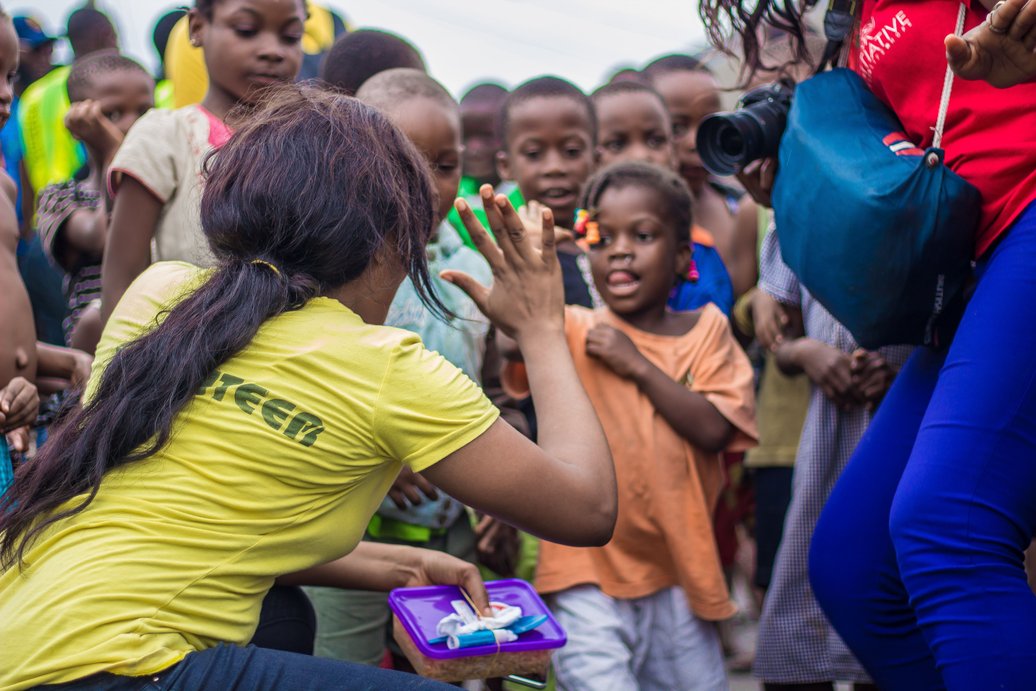
PHCI community development programme
Where We Work

Sokoto State and underserved communities in Northern Nigeria.

PHCI maintains its initial operational presence in Sokoto State and other underserved communities in Northern Nigeria, with the ability to expand programmes to other parts of Nigeria and, where appropriate, other African communities.

  • Government institutions and state authorities
  • Hospitals and healthcare professionals
  • Local and international NGOs and development partners
  • Foundations, corporations and diaspora organisations
Partnership Philosophy

We build partnerships on shared objectives, transparency and measurable impact.

Lasting solutions are achieved through strong collaboration. PHCI works with institutions and organisations across the health, humanitarian and development sectors to design and deliver sustainable community programmes.

  • Nigerian government institutions
  • State & local government authorities
  • Hospitals & healthcare institutions
  • Pharmaceutical & medical organisations
  • Local & international NGOs
  • United Nations agencies
  • International development organisations
  • Foundations & charitable organisations
  • Corporate CSR programmes
  • Embassies & development agencies
  • Academic & research institutions
  • Faith-based organisations
  • Individual philanthropists
  • Diaspora organisations
  • Community-based organisations
  • Volunteers & medical professionals